“Dave” is a 46‑year‑old U.S. Army veteran who spent over four years in‑country during the height of the Global War on Terror, including the insurgency into Iraq. When he walked into Bad Batch Performance, he was 5’8” and 290 pounds with very low stamina, poor balance, and almost no structured training history. Years as an artilleryman left him with blast exposure, traumatic brain injury (TBI) concerns, and that familiar combination of brain fog, headaches, and feeling “not sharp” anymore.
This is a 12‑week case study on what happens when you combine disciplined strength training, a protein‑first nutrition framework, and medically supervised tools like TRT, GLP‑1 therapy, and hyperbaric oxygen—and then execute, week after week.
On day one, his physical baseline was straightforward but brutal. He struggled to complete bodyweight box squats for sets of 12 reps. His single‑leg strength and balance were effectively nonexistent; any unilateral work was unstable and chaotic. His posterior chain (glutes, hamstrings, erectors) was underdeveloped relative to his size, and his cardiovascular stamina was low enough that short bouts of work led to rapid breathing and mental shutdown. Neurologically, years of artillery work meant cumulative blast exposure and TBI risk. Subjectively, he reported brain fog, headaches, and difficulty sustaining mental focus. In other words: big frame, minimal capacity, and a nervous system that had taken a beating.
We didn’t start with anything fancy. We started with a simple, repeatable training architecture and committed to running it for 12 weeks.
Dave trained three days per week on a consistent split. Monday was lower body push—squat‑pattern focus with controlled volume, using box squats, safety bar squats, and eventually back squats to rebuild confidence under load. Secondary work included leg press or hack squat variations and, when he earned it, basic lunges or split squats. Accessory work hammered quads, trunk stability, and sled pushes for low‑skill conditioning.
Wednesday was upper body push/pull. Horizontal pressing (bench, incline, or machine work) paired with vertical pressing, rows, pulldowns, rear‑delts, scapular stability, and grip. The goal was posture, shoulder health, and the kind of upper‑back strength that supports everything else in the gym.
Friday was posterior chain and accessory emphasis. This day revolved around hinge patterns: trap‑bar deadlifts, RDL progressions, and eventually conventional deadlifts. Secondary work targeted hip thrusts, back extensions, hamstring curls, and heavy glute work. Accessory training filled in gaps with single‑arm rows, trunk rotation and anti‑rotation drills, and loaded carries to build “real‑world” strength.
Because his single‑leg strength and balance were near zero, we made a deliberate choice to stay bilateral for essentially the entire 12‑week block. Phase I (weeks 1–8) was almost entirely bilateral: squats, deadlifts, machines, and supported accessory work where stability demands were manageable. Unilateral patterns were introduced in a heavily scaled way—assisted split squats, support‑based step‑ups, very low‑intensity balance drills—until he had earned the right to do more. Phase II (weeks 9–12) introduced more demanding single‑leg work gradually (supported Bulgarian split squats, single‑leg RDL progressions, lateral stepping), while keeping bilateral lifts as the primary load‑bearing patterns. Progression was dictated by technical consistency and joint tolerance, not ego.
Strength outcomes after 12 weeks were dramatic, especially given the parallel weight loss. He went from struggling with unweighted box squats for sets of 12 to a top set of 265 pounds on back squat for three reps. His deadlift progressed to a 315‑pound top set. More importantly, he built the capacity to handle significantly higher weekly tonnage without form falling apart or recovery going off a cliff. His relative strength and functional capacity improved at the same time that the scale was dropping.
On the bodyweight side, the numbers are simple:
– Starting weight: 290 lbs
– Current weight: 255 lbs
– Total loss: 45 lbs over 12 weeks
– Average weekly rate: roughly 2–4 lbs per week
His clothes are now noticeably loose. Joints feel better. Daily movement feels less like a fight. Walking into the gym no longer feels like stepping into a punishment chamber; it feels like stepping into a place where he can actually express strength and get better.
Behind the scenes, his medical team layered in pharmacologic and recovery support that we built the training and nutrition around.
Dave is on physician‑directed testosterone replacement therapy using testosterone cypionate. The goal is simple: restore physiological levels, support lean mass retention, and improve energy, mood, and recovery as he trains hard and loses weight. Research on TRT in hypogonadal men shows that appropriate dosing, combined with resistance and aerobic exercise, can increase lean mass and strength in a dose‑dependent manner. My role is not to play doctor or chase “blast and cruise” bodybuilding protocols. My role is to coordinate training load and recovery with his lab work and subjective response, and adjust the plan based on what his medical team is doing.[pmc.ncbi.nlm.nih +1]
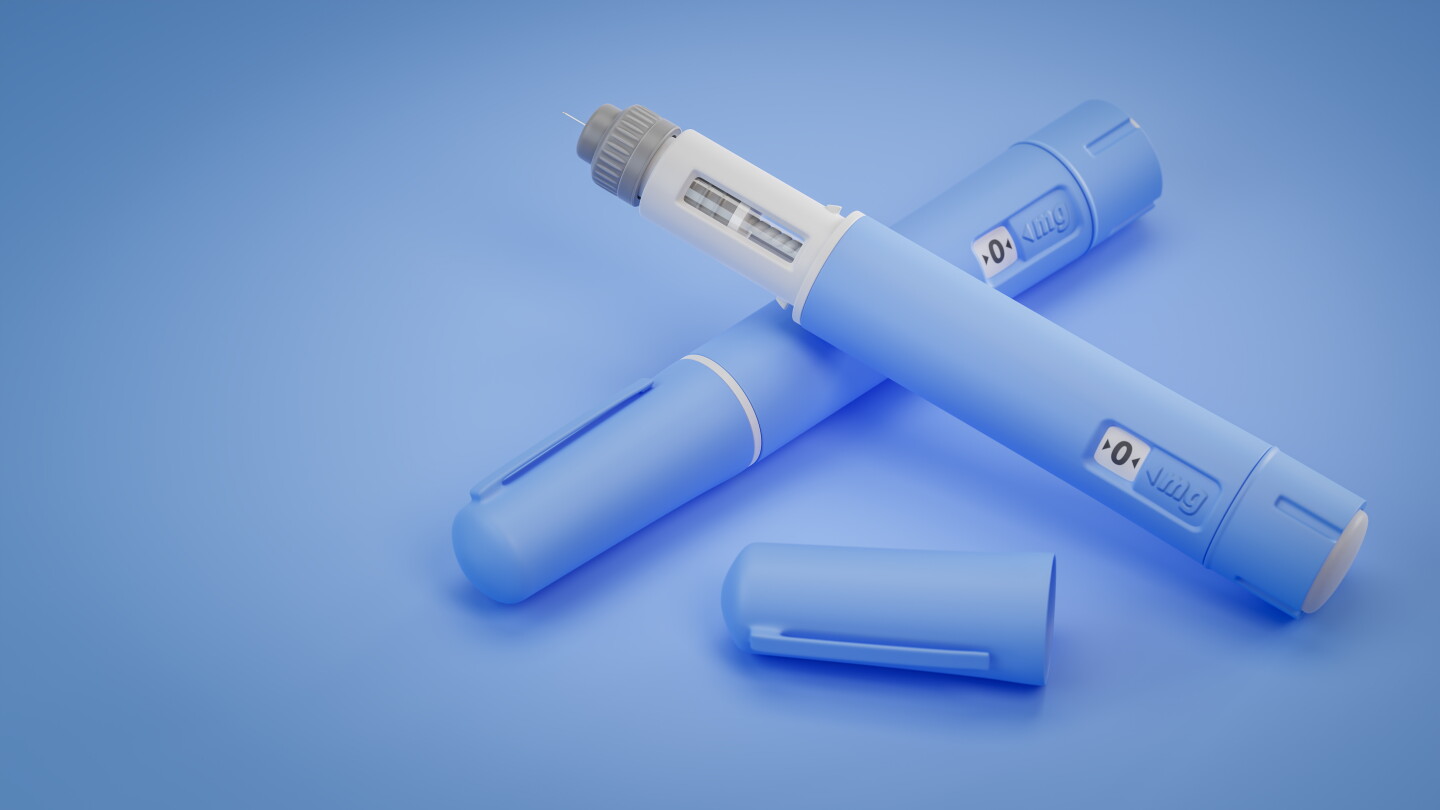
In parallel, his doctors use semaglutide, a GLP‑1 receptor agonist, to assist with appetite regulation, glycemic control, and weight loss. Clinical trials of once‑weekly semaglutide at anti‑obesity doses (e.g., 2.4 mg) demonstrate large, clinically meaningful reductions in bodyweight when combined with lifestyle interventions. Typical healthy sustainable weight loss rates are often framed at around 0.5–2 pounds per week, but patients under GLP‑1 therapy can exceed this under supervision. Dave’s 2–4 pound per week rate reflects the combination of pharmacologic support, structured training, and tight dietary control. Again, I’m not setting his dose. I’m building a system around it.[pmc.ncbi.nlm.nih +3]
Because of his artillery background and TBI history, his medical team also uses hyperbaric oxygen therapy (HBOT) at 1.5 atmospheres absolute (ATA). HBOT at around 1.5 ATA has been investigated in veterans with TBI and PTSD, with some studies reporting improvements in brain perfusion, neurocognitive tests, and symptom scores, though the evidence is mixed and not universally conclusive. The FDA has cleared HBOT for several types of injuries, and there’s ongoing work looking at its role as an adjunct in TBI and neurological recovery. For Dave, the goal is to support brain healing, reduce cognitive fatigue, and improve quality of life while we rebuild his body. I’m not operating the chamber or making claims beyond the research; I’m respecting that his brain has been through a war and that HBOT is one tool his doctors are using to help.[pmc.ncbi.nlm.nih +4]
On the nutrition side, we kept the framework deliberately simple and ruthless: protein first, fiber second, everything else is support.
Every meal is built around a significant protein source. Earth Fed Muscle protein shakes are a daily staple, with banana as his preferred flavor, which matters because adherence lives or dies on whether people actually like what they’re consuming. Protein is the anchor because it supports muscle repair, preserves lean mass during weight loss, and increases satiety, which synergizes with GLP‑1 therapy. We then layer in fiber: vegetables, fruits, and whole‑food starches that support gut health and help control appetite and blood sugar. Fiber works hand‑in‑hand with GLP‑1’s slowed gastric emptying to make meals more filling and less chaotic.[nejm +1]
Meal structure for Dave is three to four smaller meals per day, matched to his appetite on semaglutide and his training schedule. This keeps energy more stable and fits the reduced appetite that often comes with GLP‑1 therapy. On the supplement side, the stack is intentionally minimal: daily creatine monohydrate to support strength and lean mass, plus the Earth Fed Muscle shakes to reliably hit protein targets. There is no laundry list of exotic powders. Just food, protein, creatine, and consistency.
The work behind the work is aligning training with pharmacology and recovery so the whole stack pulls in the same direction.
Weekly, we’re checking in on how he feels: perceived exertion, fatigue, sleep quality, appetite, adherence, cognitive clarity, and mood. If GLP‑1 side effects like nausea or low appetite spike, we adjust volume and intensity and shift more of his calories toward windows of the day he tolerates best (often post‑training). If TRT and HBOT have him feeling sharper and better recovered, we don’t use that as an excuse to throw reckless loading on top; we use it as an opportunity to progress responsibly. Guardrails are simple: train hard only when recovery and medical feedback support it, never escalate load purely because “the meds make you feel superhuman,” and always frame TRT, GLP‑1, and HBOT as supports for training—not replacements for it.
At the 12‑week mark, the picture is clear:
– Bodyweight: 290 → 255 lbs (–45 lbs in 12 weeks)
– Strength: back squat from unweighted box squat struggle → 265 x 3; deadlift up to 315 lbs
– Work capacity: significantly higher training volume with better form and less crashing
– Subjective changes: looser clothes, more comfortable joints, easier movement, and a noticeable reduction in brain fog and mental drag, attributed to the combination of HBOT, structured training, better sleep, and overall lifestyle change.[hsrd.research.va +2]
The coaching takeaways from Dave’s run are simple, but not easy.
Start by telling the truth about baseline capacity. Don’t pretend someone is ready for an advanced single‑leg, plyometric, or “performance” program when their nervous system and joints are barely handling bodyweight squats. Build a simple, repeatable training structure and run it long enough to matter instead of chasing novelty every week. Anchor nutrition on protein and fiber rather than the fad of the month. If medical therapies like TRT, GLP‑1, or HBOT are in play, respect that they’re medical and coordinate with the prescribing team instead of improvising protocols. Judge progress by strength, performance, and quality of life—not just the number on the scale.
Dave is only 12 weeks into this story. The next chapter is where we start to earn more single‑leg work, add more conditioning, and shift from aggressive weight loss toward long‑term maintenance and continued performance. But the first chapter already proves the point: when you stack consistent training, protein‑first nutrition, and properly supervised medical tools, a 46‑year‑old GWOT veteran at 290 pounds can become a very different human being in three months.
If you’re reading this as a coach, the blueprint is there: bilateral first, protein first, progression over ego, and respect for the medical side. If you’re reading this as an athlete or veteran, the message is simpler: you don’t need perfection. You need a plan you can repeat, and people who will demand more from you as you prove you can handle it.